How Does a Latex Foley Catheter Improve Urinary Management and Patient Care?
Article Summary
A Latex Foley Catheter is an indwelling urinary catheter widely used for continuous bladder drainage and clinical monitoring. This article explores how this device functions, its medical applications, key performance considerations, potential clinical challenges, and essential patient guidance. The discussion addresses practical selection criteria, material considerations, infection risks, and training needs to support clinicians and healthcare buyers in making informed decisions.
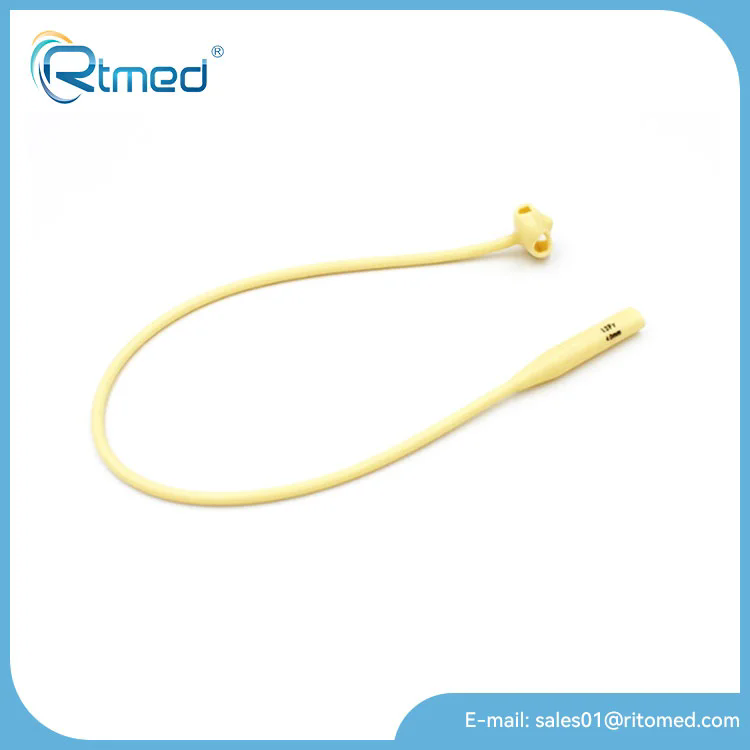
Table of Contents
What is a Latex Foley Catheter?
A Latex Foley Catheter is a flexible tube designed for bladder catheterization that facilitates continuous urine drainage when a patient cannot void naturally due to medical conditions, surgery, or obstruction. Unlike intermittent catheters used briefly, Foley catheters remain in place with an inflatable balloon that secures the device inside the bladder. :contentReference[oaicite:0]{index=0}
Clinicians commonly deploy these catheters for managing urinary retention, monitoring urine output in critically ill patients, and in postoperative care. :contentReference[oaicite:1]{index=1}
How It Works in Urinary Management
The Foley catheter functions through two main lumens: one provides a pathway for urine to drain from the bladder, and the second inflates the retaining balloon once positioned. This design allows the catheter to remain indwelling for extended periods with minimal displacement risk. :contentReference[oaicite:2]{index=2}
| Component | Primary Purpose |
|---|---|
| Drainage Lumen | Continuous passage of urine into a collection bag |
| Inflatable Balloon | Secures catheter placement within the bladder |
| Catheter Shaft | Flexible conduit for urinary flow |
| Valve/Funnel | Attachment point for drainage systems and balloon inflation |
This bilateral lumen configuration enables both drainage and balloon control while integrating with standard urine collection systems used in clinical and home care settings. :contentReference[oaicite:3]{index=3}
Material and Performance Considerations
Latex is widely chosen due to its elasticity and patient comfort, especially during insertion and dwell time. Latex catheters may be coated with silicone or hydrophilic materials to reduce friction and lower mucosal irritation. :contentReference[oaicite:4]{index=4}
- Latex Flexibility: Supports smoother urethral passage and conformability.
- Silicone Coating: Reduces friction and risk of tissue irritation.
- Hydrophilic Surface: Facilitates lubricity without external gels.
- Balloon Design: Ensures secure positioning and consistent drainage.
Healthcare facilities weigh material benefits against patient allergy risks, particularly latex sensitivity. In cases requiring long-term catheter use, clinicians may assess alternative materials to mitigate mucosal irritation documented in comparative analyses. :contentReference[oaicite:5]{index=5}
Clinical Guidance and Safety Considerations
Successful Foley catheter use depends on trained insertion techniques, proper balloon inflation volumes, and routine monitoring for complications such as catheter-associated urinary tract infections (CAUTIs). Infection risk increases with dwell time and breaks in sterile technique. :contentReference[oaicite:6]{index=6}
Clinicians follow institutional protocols that include securement devices to prevent traction, scheduled bag changes, and surveillance of drainage output. Patients with known latex allergies require careful selection of catheter materials to avoid adverse reactions.
Frequently Asked Questions
Q: Who needs a Latex Foley Catheter?
A: Individuals with inability to void urine due to surgery, urinary retention, neurological conditions, or critical care monitoring may require a Foley catheter to ensure continuous bladder drainage.
Q: How long can a Latex Foley Catheter stay in place?
A: Duration varies based on clinical indication and infection risk, but longer indwelling periods increase the likelihood of complications. Healthcare providers determine catheter change timing based on patient status and facility protocols. :contentReference[oaicite:7]{index=7}
Q: What are common complications?
A: The most frequently observed complications include urinary tract infections, urethral irritation, balloon malfunction, and, in patients with latex sensitivity, allergic reactions. Clinicians implement care bundles to reduce infection and monitor for mechanical issues. :contentReference[oaicite:8]{index=8}
Q: Can a Latex Foley Catheter be used in long-term care?
A: While possible, long-term use requires vigilant infection prevention and periodic evaluation of catheter necessity to minimize risks associated with prolonged indwelling devices.
Conclusion & Contact Information
A Latex Foley Catheter remains a fundamental tool in urinary care where continuous bladder drainage is essential. Understanding its functional design, material considerations, and clinical usage guidance supports better outcomes for patients and care teams alike.
RTMED offers a comprehensive range of high-quality Latex Foley Catheters designed for clinical efficacy and patient comfort, suitable for hospital, surgical, and long-term care environments. For inquiries about product specifications, pricing, or customized solutions, please contact us to discuss your medical supply requirements and receive professional support.