How Nebulizer Mask Designs Are Evolving for Home Respiratory Care
RTMED follows the changing role of Nebulizer Mask in home respiratory care as comfort, safety, and practical design become major industry focuses.
The way people manage respiratory conditions has changed significantly in recent years. Respiratory treatment that once mainly depended on hospitals and clinics is increasingly becoming part of home healthcare routines. This shift has encouraged the medical industry to reconsider how respiratory accessories are designed, especially for users who need regular and convenient treatment.
With more families using nebulizer equipment for conditions such as asthma, bronchitis, and other respiratory issues, attention is moving beyond basic functionality. Comfort during use, material safety, fitting performance, and simple operation are becoming important factors in product development.
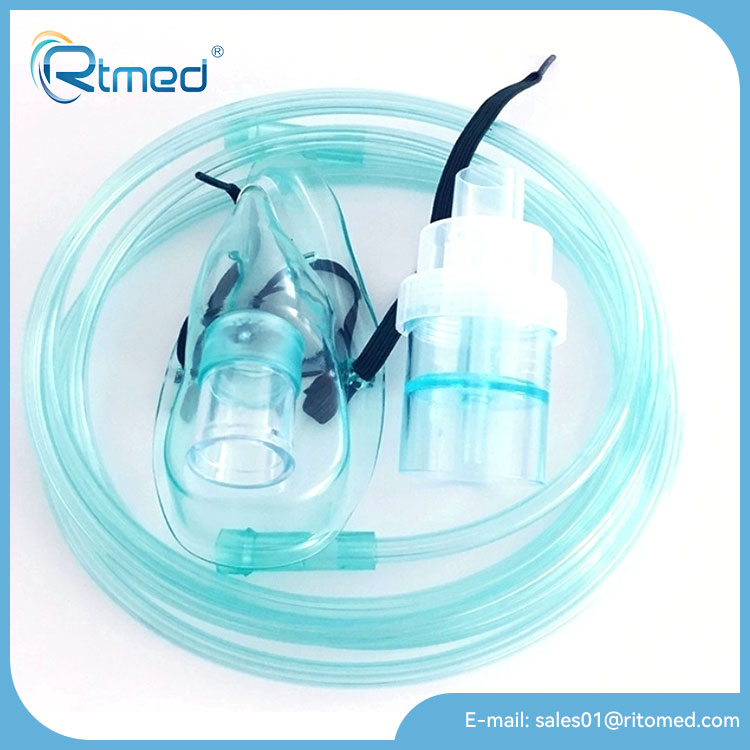
Home Respiratory Care Creates New Design Requirements
Home healthcare environments are different from professional medical settings. In hospitals, trained staff can assist with equipment operation, while home users often need products that are easier to understand and handle.
For respiratory accessories, daily usage experience can influence treatment consistency. A design that causes discomfort or requires complicated steps may create challenges for children, elderly users, or people receiving long-term care.
Current industry discussions around respiratory product development often focus on several practical areas:
| Design Consideration | Why It Matters in Home Care |
|---|---|
| Facial comfort | Reduces discomfort during longer treatment periods |
| Lightweight structure | Makes daily use easier, especially for children and elderly users |
| Material selection | Helps improve skin contact experience |
| Simple connection design | Reduces operation difficulties for non-professional users |
These changes show that home respiratory products are increasingly being developed around real-life usage conditions rather than only clinical environments.
Comfort and Fit Become Important Development Directions
One major trend in respiratory care is the improvement of wearing experience. Traditional respiratory accessories were mainly designed to deliver medication effectively, but modern designs pay more attention to how users interact with the product.
A comfortable fit can reduce pressure points around the face and help users maintain a stable position during treatment. This is particularly relevant for pediatric and elderly applications, where tolerance and ease of use are important considerations.
The development of Nebulizer Mask products has also reflected a wider healthcare trend: medical devices are becoming more user-centered. Soft contact surfaces, improved flexibility, and better adaptation to different facial structures are frequently discussed areas within the industry.
Material Safety and Infection Control Considerations
Material selection has become another important topic in respiratory care. Since masks come into direct contact with the skin and respiratory area, attention is often placed on factors such as comfort, cleanliness, and compatibility with repeated medical use.
In home healthcare settings, users also need to understand basic cleaning and replacement practices. Clear product instructions and suitable packaging designs can support safer daily management.
Common considerations include:
| Factor | Industry Focus |
|---|---|
| Skin contact materials | Comfort and reduced irritation concerns |
| Disposable designs | Convenience and infection control management |
| Product packaging | Protection during storage and transportation |
| Quality inspection | Maintaining consistent product performance |
These factors are contributing to the continuous improvement of respiratory consumables.
The Shift from Hospital Equipment to Home-Based Solutions
The expansion of home healthcare has changed the relationship between patients and medical products. Many users now participate more actively in managing their own health conditions, creating demand for equipment that fits everyday lifestyles.
Portable nebulizers, compact accessories, and easy-to-use respiratory products are becoming more common. This development does not replace professional medical care but provides additional options for ongoing health management under appropriate guidance.
Ningbo Rito Medical Instruments Co., Ltd. (RTMED) entered the medical consumables field in 2019, initially focusing on non woven medical products before expanding into respiratory-related categories. The company operates production facilities including a factory in Hubei Province covering more than 10,000 square meters, with over 300 workers and various production equipment. Its product range includes oxygen masks, medical tubes, infusion sets, wound dressing products, and respiratory accessories.
Future Trends in Respiratory Accessory Development
The future of respiratory care products will likely continue to focus on balancing medical requirements with everyday usability.
More User-Specific Designs
Different groups have different needs. Children may require smaller and softer designs, while elderly users may value easier operation and comfortable wearing experiences.
Greater Compatibility with Home Equipment
As home healthcare equipment becomes more common, accessories need to work smoothly with different devices and usage environments.
Continued Improvement in Quality Management
Medical consumables require stable production processes and quality control systems. Certifications such as CE and ISO13485 are becoming important references in evaluating medical product quality systems.
Conclusion
The development of home respiratory care reflects a broader change in healthcare, where convenience, comfort, and practical use are receiving increasing attention. As more respiratory treatments move into home environments, the design of accessories will continue to adapt to real user needs. The evolution of Nebulizer Mask products represents this transition, and companies such as RTMED continue to participate in the development of medical consumables for changing healthcare scenarios.